DRDG

do rite. do good.


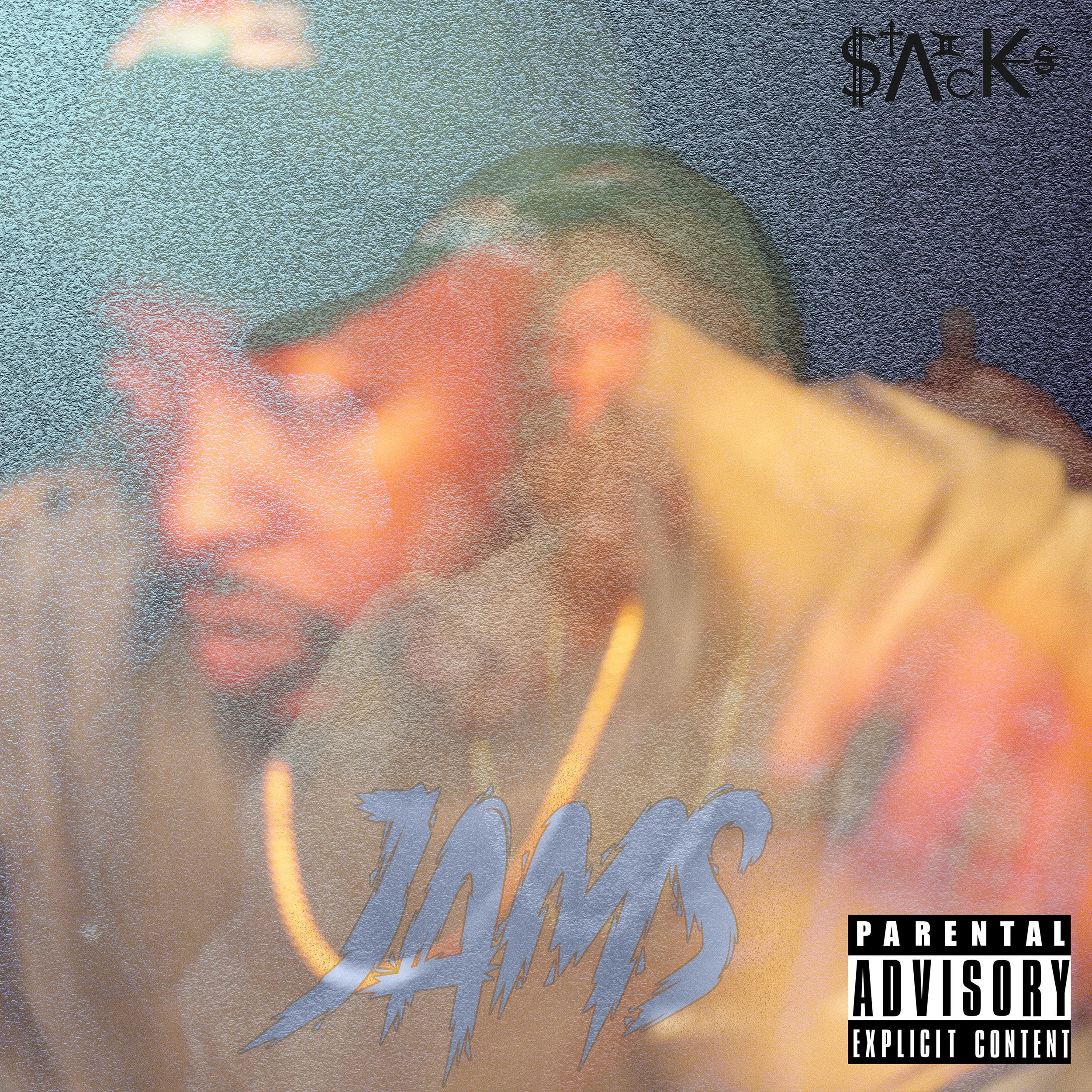
On “Jams The Album”, Deucestacks turns introspection into atmosphere. The project moves through addiction, loyalty, ambition, trauma, vice, spirituality, and survival with the kind of honesty that can’t be manufactured. Across ten records, Deucestacks balances sharp street philosophy with emotionally layered writing — creating an album that feels less like performance and more like pages pulled directly from lived experience.

From The Heart

The opening track, “From The Heart,” immediately establishes the project’s emotional weight. Over production from Slugggrrr, Deucestacks delivers lines that blur street wisdom with existential reflection: navigating life “like oarsman,” wrestling with morality, confronting deception, and searching for purpose in environments designed to corrupt it. The record captures one of the album’s strongest themes — the tension between maintaining integrity and surviving in a world where manipulation is often rewarded. There’s paranoia in the writing, but also discipline, self-awareness, and resilience.

That emotional complexity continues throughout the album. Tracks like “Acknowledgement,” “Love You Better,” “12 Steps,” and “Playdoh,” all produced by Pleasecaron, help form the project’s emotional backbone. The chemistry between artist and producer creates moments that feel cinematic, reflective, and deeply personal without sacrificing edge or charisma. Meanwhile, records like “Weed and Drank” and “OF Budapest” lean into the haze and escapism surrounding the lifestyle being documented, while still maintaining the album’s underlying emotional tension.

Lyrically, Deucestacks approaches rap from a perspective that feels philosophical without sounding detached from reality. References to karma, survival, masculinity, spiritual conflict, generational pressure, and emotional suppression appear throughout the project naturally rather than performatively. Bars like “Belief in good karma makes me honest / I sin today to bless my daughters tomorrow” showcase the project’s ability to balance vulnerability with hard-earned perspective.

Production across the album remains immersive and cohesive despite the variety of contributors. Slugggrrr, Notthefather, Chris Winston, Toni Frio, Druu, and Pleasecaron each contribute distinct textures that help the project move fluidly between introspection, nightlife energy, emotional confession, and underground grit. The sequencing allows every track to expand the album’s world rather than interrupt it.

At its core, Jams The Album succeeds because it sounds human. It doesn’t chase perfection. Instead, it embraces contradiction — confidence mixed with fear, love mixed with detachment, ambition mixed with exhaustion. The result is a project that feels deeply personal while still speaking to broader realities surrounding modern underground culture and survival. Rather than simply making songs, Deucestacks documents a mindset.

Mantra

While “From The Heart” establishes the album’s emotional and philosophical depth, “Mantra” shifts the energy into motion. Produced by Notthefather, the record feels motivational without losing the grit and personality that defines Deucestacks’ writing style. The hook-like repetition of “Celebrate / Meditate / Elevate / Medicate / Educate / Dedicate / Eliminate / Then Demonstrate” functions as more than catchy phrasing — it becomes the project’s survival formula, balancing self-improvement with coping mechanisms, ambition with realism.

Lyrically, the track blends humor, swagger, social commentary, and self-awareness in a way that feels effortless. Deucestacks moves from sharp punchlines to larger observations about poverty, identity, independence, and environment without sounding forced or overly conceptual. Bars like “They built a trap / Don’t mean we trapped” summarize one of the album’s recurring themes: refusing to mentally submit to the limitations surrounding you.

“Mantra” also highlights one of the strongest qualities across Jams The Album — the ability to sound charismatic and introspective at the same time. References bounce between pop culture, street survival, luxury aspirations, masculinity, and neighborhood realities while maintaining a conversational authenticity. The record doesn’t present success as clean or glamorous; instead, it frames growth as calculated survival.

Sonically, the track injects momentum into the album’s sequencing. After the heavier emotional tone of “From The Heart,” “Mantra” broadens the project’s personality by introducing humor, bounce, confidence, and lifestyle energy without abandoning the introspective core established earlier. The result is a record that feels equally motivational, rebellious, and deeply rooted in underground rap culture.

Weed & Drank

Produced by Chris Winston, “Weed & Drank” captures the album’s most self-assured and charismatic energy. The record blends Southern-influenced lifestyle rap, underground confidence, and reflective street philosophy into something that feels both celebratory and deeply personal. While the hook leans into familiar rap indulgences — “Bubba kush and Alizé” — the verses reveal a much larger theme surrounding self-worth, independence, and survival through adversity.

Deucestacks approaches success with the mentality of someone who had to build confidence through hardship rather than inherit it. Lines like “My hard times made a winning streak” and “The bottom gave me levity” transform struggle into proof of evolution. Even while flexing, the writing consistently circles back to resilience, discipline, and emotional isolation. There’s a recurring feeling throughout the track that success didn’t remove paranoia — it simply sharpened self-awareness.

The song also reinforces one of **’s strongest qualities: balancing luxury-minded rap aesthetics with grounded emotional realism. References to custom soundsystems, elevated booking fees, designer imagery, and effortless confidence sit alongside heavier reflections about family, pressure, and identity. The line “My father know no son in me / Look at what they done to me” becomes one of the album’s most revealing emotional moments, briefly interrupting the bravado with unresolved pain and generational tension.

Sonically, Chris Winston’s production gives the record a cruising atmosphere that allows Deucestacks’ cadence and personality to dominate naturally. The flow moves conversationally but remains sharp, full of internal rhythm, layered flexes, and understated menace. Rather than sounding overly polished, “Weed & Drank” succeeds because it feels lived-in — a soundtrack for ambition shaped by experience instead of fantasy.

Placed after the introspection of the album’s earlier records, the track expands Jams The Album into something broader: not just a reflection on survival, but a declaration of presence. Deucestacks isn’t asking for recognition throughout the project — he’s moving like someone who already believes he earned it.

Ackowledgement

On “Acknowledgement,” Deucestacks delivers one of the most layered performances on Jams: The Album. The record operates like a declaration of self-awareness — accepting contradictions, flaws, aggression, spirituality, ambition, and survival instinct all at once. Rather than presenting himself as morally perfect, Deucestacks embraces complexity openly, making the title “Acknowledgement” feel intentional in multiple ways: acknowledgement of power, trauma, influence, environment, temptation, and self.

The writing throughout the song blends street realism with larger philosophical undertones. Lines like “I embody all of it / No shame in acknowledgment” frame the track as an acceptance of both darkness and growth, while recurring references to politics, loyalty, religion, masculinity, and betrayal reinforce the album’s deeper emotional themes. There’s an ongoing tension between spirituality and violence woven throughout the record, creating an atmosphere that feels reflective even during its most confrontational moments.

Pleasecaron’s production gives the track a cinematic heaviness that complements Deucestacks’ delivery perfectly. The beat leaves enough space for the writing to breathe while still maintaining an ominous momentum underneath the verses. That chemistry between artist and producer becomes one of the defining strengths of the album overall, especially on records where introspection and aggression collide simultaneously.

What makes “Acknowledgement” especially compelling is how naturally the song shifts between vulnerability, humor, intimidation, grief, and confidence. One moment Deucestacks is speaking on generational loyalty and investing in his children, the next he’s reflecting on betrayal, incarceration, survival, or emotional numbness. The transitions never feel forced because the writing mirrors real psychological movement rather than polished storytelling formulas.

The record also reinforces one of the project’s central ideas: authenticity cannot be replicated. Throughout the song, Deucestacks repeatedly positions himself against imitation, trend-following, performative masculinity, and superficial success. Statements like “The vibe can’t be purchased mimicked or rented” summarize not only the energy of the track, but the identity of Jams The Album as a whole.

By the end of “Acknowledgement,” the album no longer feels like a collection of songs — it begins to feel like a worldview. The record captures the emotional contradictions surrounding modern survival: loyalty mixed with paranoia, spirituality mixed with violence, love mixed with detachment, and confidence mixed with exhaustion. Instead of hiding those contradictions, Deucestacks turns them into the project’s defining strength.

Love You Better

On “Love You Better,” delivers one of the most emotionally layered performances on Jams The Album. The record explores the complicated intersection between ambition and intimacy — documenting what happens when dedication to survival, art, and self-preservation begins to affect personal relationships. Rather than presenting himself as emotionally detached, Deucestacks openly acknowledges flaws, ego, regret, and emotional inconsistency throughout the track.

The song’s opening immediately establishes that honesty. Lines like “Broken promises acknowledging / The part I played in fact” frame the record around accountability rather than blame. Throughout the verses, Deucestacks reflects on loneliness, discipline, emotional suppression, romantic uncertainty, and the sacrifices tied to pursuing purpose. The writing consistently balances tenderness with toughness, never allowing vulnerability to fully separate from survival instinct.

Pleasecaron’s production gives the track a reflective atmosphere that allows the emotion in the lyrics to carry naturally. Instead of forcing melodrama, the instrumental creates space for conversation-like storytelling, internal conflict, and subtle emotional tension. That chemistry between artist and producer continues to be one of the defining elements across the album, especially on records where emotional honesty becomes the focal point.

Lyrically, “Love You Better” showcases some of the project’s most poetic writing. Deucestacks moves fluidly between romance, street mentality, philosophical reflection, humor, and layered wordplay without breaking immersion. References to ego, destiny, emotional damage, and masculinity appear naturally within the writing rather than as overt themes. The result is a record that feels deeply personal while still carrying the charisma and confidence present throughout the rest of the album.

What makes the track especially effective is how unresolved it feels emotionally. Rather than offering clean closure or perfect romance, the song embraces contradiction: wanting love while struggling with trust, wanting connection while remaining emotionally guarded, wanting peace while still carrying aggression and pride. That emotional complexity mirrors the larger identity of Jams The Album itself.

By the end of “Love You Better,” the album’s emotional world becomes even clearer. Beneath the confidence, street philosophy, humor, and flexes is a recurring search for stability — emotionally, spiritually, financially, and personally. Deucestacks doesn’t simplify those struggles for presentation. Instead, he documents them honestly, which is ultimately what gives the project its authenticity.

OF Budapest

On “OF Budapest,” sharpens the album’s survival themes into something colder and more calculated. The record feels rooted in loyalty, pressure, street politics, and emotional isolation, with Toni Frio’s production providing a tense, nocturnal atmosphere underneath Deucestacks’ steady confidence. Every line moves with the mindset of someone constantly evaluating risk, betrayal, ambition, and responsibility at the same time.

Lyrically, the track balances intimidation with reflection. Deucestacks speaks from the perspective of someone navigating environments where preparation becomes instinct and trust becomes limited. Bars like “Anxious always prepared I plan on it” and “Stick to the code just how it’s written / Rare nowadays I promise it’s different” reinforce one of the album’s strongest recurring ideas: integrity has become increasingly uncommon in modern environments shaped by greed, opportunism, and survival.

The song also expands the project’s commentary on generational pressure and responsibility. Beneath the flexes and hardened delivery are repeated references to protecting family, maintaining structure, and refusing to compromise identity for temporary gain. Lines about fathers, daughters, loyalty, and community consequences give the record emotional weight beneath its colder surface energy.

What makes “OF Budapest” especially effective is how naturally it blends street realism with larger social observations. Deucestacks never sounds preachy or detached from the environments he’s describing. Instead, the writing feels immediate and lived-in, capturing the psychological exhaustion that comes with constantly balancing ambition, danger, responsibility, and distrust.

Toni Frio’s production complements that atmosphere perfectly, allowing the song to feel cinematic without becoming overly polished. The instrumental leaves room for the writing to dominate while maintaining an underlying tension that mirrors the emotional state behind the lyrics. The chemistry between artist and production creates a record that feels immersive rather than performative.

Placed within the larger sequencing of Jams The Album, “OF Budapest” reinforces the project’s central identity: survival as mindset. Throughout the album, Deucestacks consistently portrays success not as comfort, but as constant awareness — emotionally, financially, spiritually, and socially. This track embodies that mentality fully, turning pressure into presence rather than collapse.

12 Steps

On “12 Steps,” delivers one of the most vulnerable moments on Jams The Album. The song explores emotional dependency, exhaustion, intimacy, and the slow collapse of connection through repetitive songwriting that mirrors toxic cycles in real time. Rather than dramatizing heartbreak in a conventional way, the record captures the quieter emotional damage caused by routine conflict, emotional numbness, and unresolved tension.

The hook becomes the emotional centerpiece of the song: “We use to get drunk / get mad and fuck / get high shit just stay up.” The repetition feels intentional, emphasizing how destructive habits can eventually become normalized inside relationships. What once felt passionate or exciting gradually begins to feel empty, leading directly into one of the record’s most important realizations: “We don’t leave no room for love no more.”

Throughout the track, Deucestacks balances accountability with emotional confusion. There’s clear frustration, but also desperation to hold onto something already fading away. Lines like “I’m holding tight and I won’t let go / and that’s when you gave up your rope” frame the relationship as emotionally uneven — one person still fighting for connection while the other emotionally detaches.

Pleasecaron’s production gives the song a blurred, late-night atmosphere that perfectly complements the writing. The instrumental feels intimate without becoming overly sentimental, allowing the repetition and emotional tension to carry naturally. That restraint becomes one of the song’s biggest strengths; instead of forcing emotion through dramatic performance, the record allows exhaustion and repetition to speak for themselves.

Placed within the larger structure of Jams The Album, “12 Steps” deepens the project’s recurring themes surrounding loneliness, coping mechanisms, masculinity, and emotional survival. Across the album, Deucestacks repeatedly presents characters searching for stability through substances, ambition, relationships, loyalty, or self-discipline. Here, those coping mechanisms begin collapsing inward emotionally.

What makes the record especially powerful is its honesty about imperfection. The song never pretends love alone can overcome unresolved trauma, ego, addiction, or emotional distance. Instead, “12 Steps” documents the moment where two people recognize that survival habits have started replacing genuine intimacy. That emotional realism gives the track its weight — and reinforces why Jams The Album feels more like lived experience than performance.

Playdoh

On “Playdoh,” delivers one of the most emotionally revealing songs on Jams The Album. The record explores how childhood environments shape adult relationships, emotional habits, masculinity, and self-worth. Rather than presenting trauma directly, Deucestacks filters those experiences through fragmented memories, relationship reflections, and deeply personal observations that make the song feel intimate and cinematic at the same time.

The emotional core of the record centers around recurring childhood imagery. Lines like “Always hated slow jams / cuz mom and dad would play those / drink and fuss and fight / I would fuck round wit my playdoh” transform ordinary household memories into something psychologically heavy. The contrast between romantic music playing in the background and visible conflict inside the home becomes symbolic for the album’s larger themes surrounding love, instability, and emotional contradiction.

Throughout the song, Deucestacks balances confidence with emotional emptiness in a way that feels brutally honest. Statements like “I think you should find some love / I don’t think I love myself” cut through the album’s usual bravado and reveal a deeper insecurity underneath the charisma. That vulnerability never feels performative because it remains tied to the project’s ongoing themes of survival, emotional conditioning, and isolation.

Pleasecaron’s production gives the song an immersive, dreamlike atmosphere that allows memory and emotion to blur together naturally. The repetition throughout the hook sections mirrors the way trauma and nostalgia replay internally over time. Rather than moving in a straightforward narrative structure, the song feels emotionally circular — constantly revisiting pain, longing, confusion, desire, and self-reflection from different angles.

What makes “Playdoh” especially powerful is its refusal to simplify relationships into heroes or villains. The song recognizes how people inherit emotional dysfunction, survival habits, and communication patterns long before they understand them. References to substances, arguments, intimacy, loneliness, and emotional detachment all feel connected to learned behavior rather than isolated mistakes.

Placed within the larger sequencing of Jams The Album, “Playdoh” deepens the project’s emotional realism dramatically. Across the album, Deucestacks repeatedly explores what happens when survival mentality begins influencing love, trust, intimacy, and identity. Here, those themes become deeply personal. The song ultimately suggests that emotional scars don’t disappear simply because someone becomes successful, charismatic, or emotionally guarded — they evolve, repeat, and linger underneath everything else.

By the end of the record, “love left on the table” becomes more than a lyric. It becomes a summary of the emotional tension running throughout the entire album: opportunities for connection constantly colliding with pride, trauma, addiction, ambition, and emotional exhaustion.

Sunday

On “Sunday,” channels resilience into celebration. The record carries a spiritual optimism that contrasts much of the emotional tension found throughout Jams The Album, while still remaining grounded in struggle and survival. Built around the repeated affirmation “God let you be so you know you gotta get up,” the song transforms perseverance into both motivation and responsibility.

The hook gives the track its emotional foundation. Rather than framing survival as luck alone, Deucestacks treats existence itself as proof of purpose. The repeated encouragement to “get up” feels directed not only toward romantic partners or friends, but toward entire environments weighed down by exhaustion, poverty, pressure, and disappointment. That sense of communal uplift becomes one of the record’s strongest qualities.

Lyrically, the song balances charisma and social awareness effortlessly. Deucestacks moves between nightlife imagery, confidence, humor, street commentary, and philosophical reflection without disrupting the song’s momentum. Bars about growing up without electricity, distrusting authority, and reclaiming personal worth deepen the track beyond surface-level motivational rap. Even in its most celebratory moments, the writing remains tied to real-world struggle.

Druu’s production plays a major role in making the record feel expansive and uplifting. The instrumental creates a feeling of motion and release that allows the hook to feel almost anthemic without losing the grounded emotional realism present across the album. Compared to some of the project’s darker and more emotionally claustrophobic records, “Sunday” sounds intentionally open — like sunlight breaking through after emotional isolation.

One of the song’s most compelling themes is its focus on restoring self-worth. Throughout the album, Deucestacks repeatedly explores how systems, trauma, relationships, poverty, and survival mentality distort identity. Here, the writing shifts toward rebuilding confidence and perspective. Lines like “Bring her back down to earth / Show what a woman’s worth” suggest an attempt to reconnect people with value beyond image, status, or outside validation.

Placed late within the sequencing of Jams The Album, “Sunday” functions almost like emotional recovery after the chaos explored throughout earlier records. The song doesn’t pretend pain disappears, but it introduces the possibility of movement, healing, and renewed purpose. That balance between realism and hope is ultimately what gives the track its emotional power — and reinforces the album’s larger message that survival itself can become a form of victory.

Mentir

On “Mentir,” delivers the album’s most poetic and emotionally restrained performance. The record feels like the aftermath of everything explored throughout Jams The Album — love, lust, regret, survival, emotional damage, devotion, pride, and vulnerability all collapsing into reflection. Rather than chasing dramatic closure, the song embraces emotional ambiguity, making it a fitting conclusion to a project built around contradiction and realism.

From the opening lines, the writing feels deeply introspective and literary. Deucestacks approaches relationships almost philosophically, framing intimacy as both healing and destructive at the same time. Lines like “Hidden truths concealed unhealed / no way around it’s only through” summarize one of the album’s central ideas: pain cannot be avoided, only experienced and survived. Throughout the record, emotional honesty exists side-by-side with confusion, temptation, desire, and emotional fatigue.

Toni Frio’s production gives the song a dreamlike, almost mythological atmosphere. References to Kronos, Apollo, fire, storms, and time itself create a larger-than-life emotional backdrop without losing the personal intimacy of the writing. The mythological imagery elevates the emotional stakes of the record, making love feel cosmic, dangerous, and inevitable rather than temporary or superficial.

What makes “Mentir” especially powerful is how vulnerable the writing becomes without fully surrendering its composure. Deucestacks never dramatizes heartbreak in obvious ways. Instead, the song captures quieter emotional truths — obsession, memory, attachment, longing, emotional scars, and the inability to completely let someone go. Lines like “I just want you I just need you” feel simple on the surface, but within the context of the album, they land with significant emotional weight.

The record also revisits one of the project’s recurring themes: the impossibility of perfect endings. “No such thing as perfect byes” feels like the emotional thesis statement not only for the song, but for the album itself. Across Jams The Album, relationships, friendships, ambitions, addictions, and identities constantly exist in unstable states — evolving, breaking, reconnecting, or fading without clear resolution.

As the closing track, “Mentir” transforms the album into something larger than a collection of underground rap songs. By the end of the project, Deucestacks emerges less as a character and more as a fully realized emotional perspective — conflicted, charismatic, wounded, observant, ambitious, loving, and deeply human. The final moments don’t provide certainty. Instead, they leave listeners sitting inside memory, reflection, and unfinished emotion long after the music ends.